The benefits of medical AI assistance vary based on user expertise August 7, 2026 Study finds non-experts deferred to LLM-based diagnostic assistance, even when it was wrong, while clinicians caught AI errors. New method aims to keep kids safe from illegal AI-generated content July 29, 2026 Researchers, including at IMES, developed an auditing technique to test generative AI models for malicious capabilities, without prompting them for illegal outputs. How a medical database developed at MIT evolved into a global standard of data-sharing July 29, 2026 The visionary PhysioNet platform launched 25 years ago, based on a system developed at MIT in the 1970s. It has become one of the most comprehensive biomedical and clinical data repositories in existence. IMES community profile: Larissa de Souza Martell July 29, 2026 Larissa de Souza Martell is Senior Administrator to Elazer Edelman, director of the Center for Cinical and Translational Research (CCTR). Toward a future that preserves benefits of neurotechnology for all July 28, 2026 HST MEMP PhD student Rachel Sava, winner of the Envisioning the Future of Computing Prize, explores transformative improvements and dystopian risks of neural technology. Diana Grass: Listening to the body’s language July 22, 2026 The HST MEMP PhD candidate builds soft bioelectronic technologies to decode signals between the brain and the rest of the body. Emery Brown, Daniel Hastings, and Douglas Lauffenburger named Institute Professors July 21, 2026 Longtime professors and experts in the fields of anesthesiology, aerospace engineering, and biological engineering, respectively, receive MIT’s highest faculty honor. Machine-learning how to overcome antibiotic-resistant gonorrhea June 30, 2026 AI-enabled antibiotic discovery proves effective at identifying new chemical structures and targets in the constant fight against antibiotic-resistant gonorrhea IMES community profile: Zuriel Erikson Valencia Joven June 29, 2026 Zuriel Erikson Valencia Joven, HST MEMP PhD, focuses on optical methods for in vivo elastography, with potential clinical targets spanning degenerative eye diseases, sickle cell disease, and cancer. 3 Questions: Space as scientific, medical and technology accelerator June 25, 2026 Advancing medical capabilities in space and for planetary exploration can also lead to translating these innovations for human health on earth. Pagination First page « First Previous page Previous Page 1 Current page 2 Page 3 Page 4 Page 5 Page 6 Page 7 … Next page Next Last page Last » Side navigation News Events Distinguished Speaker Series: Founder’s Lecture Distinguished Speaker Series: Richter Lecture
The benefits of medical AI assistance vary based on user expertise August 7, 2026 Study finds non-experts deferred to LLM-based diagnostic assistance, even when it was wrong, while clinicians caught AI errors.
New method aims to keep kids safe from illegal AI-generated content July 29, 2026 Researchers, including at IMES, developed an auditing technique to test generative AI models for malicious capabilities, without prompting them for illegal outputs.
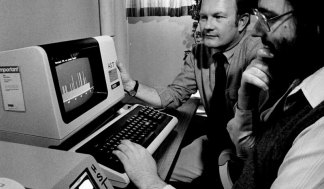
How a medical database developed at MIT evolved into a global standard of data-sharing July 29, 2026 The visionary PhysioNet platform launched 25 years ago, based on a system developed at MIT in the 1970s. It has become one of the most comprehensive biomedical and clinical data repositories in existence.
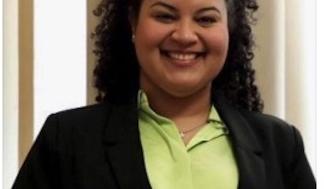
IMES community profile: Larissa de Souza Martell July 29, 2026 Larissa de Souza Martell is Senior Administrator to Elazer Edelman, director of the Center for Cinical and Translational Research (CCTR).
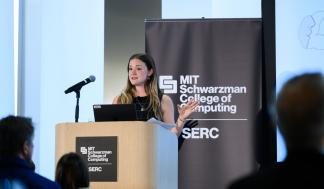
Toward a future that preserves benefits of neurotechnology for all July 28, 2026 HST MEMP PhD student Rachel Sava, winner of the Envisioning the Future of Computing Prize, explores transformative improvements and dystopian risks of neural technology.
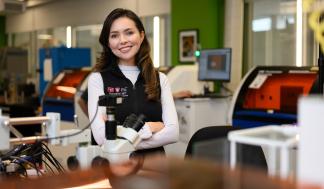
Diana Grass: Listening to the body’s language July 22, 2026 The HST MEMP PhD candidate builds soft bioelectronic technologies to decode signals between the brain and the rest of the body.
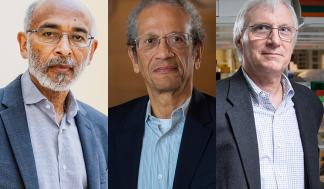
Emery Brown, Daniel Hastings, and Douglas Lauffenburger named Institute Professors July 21, 2026 Longtime professors and experts in the fields of anesthesiology, aerospace engineering, and biological engineering, respectively, receive MIT’s highest faculty honor.
Machine-learning how to overcome antibiotic-resistant gonorrhea June 30, 2026 AI-enabled antibiotic discovery proves effective at identifying new chemical structures and targets in the constant fight against antibiotic-resistant gonorrhea
IMES community profile: Zuriel Erikson Valencia Joven June 29, 2026 Zuriel Erikson Valencia Joven, HST MEMP PhD, focuses on optical methods for in vivo elastography, with potential clinical targets spanning degenerative eye diseases, sickle cell disease, and cancer.
3 Questions: Space as scientific, medical and technology accelerator June 25, 2026 Advancing medical capabilities in space and for planetary exploration can also lead to translating these innovations for human health on earth.